
Widespread Armadillo Yard Destruction in Middle Tennessee
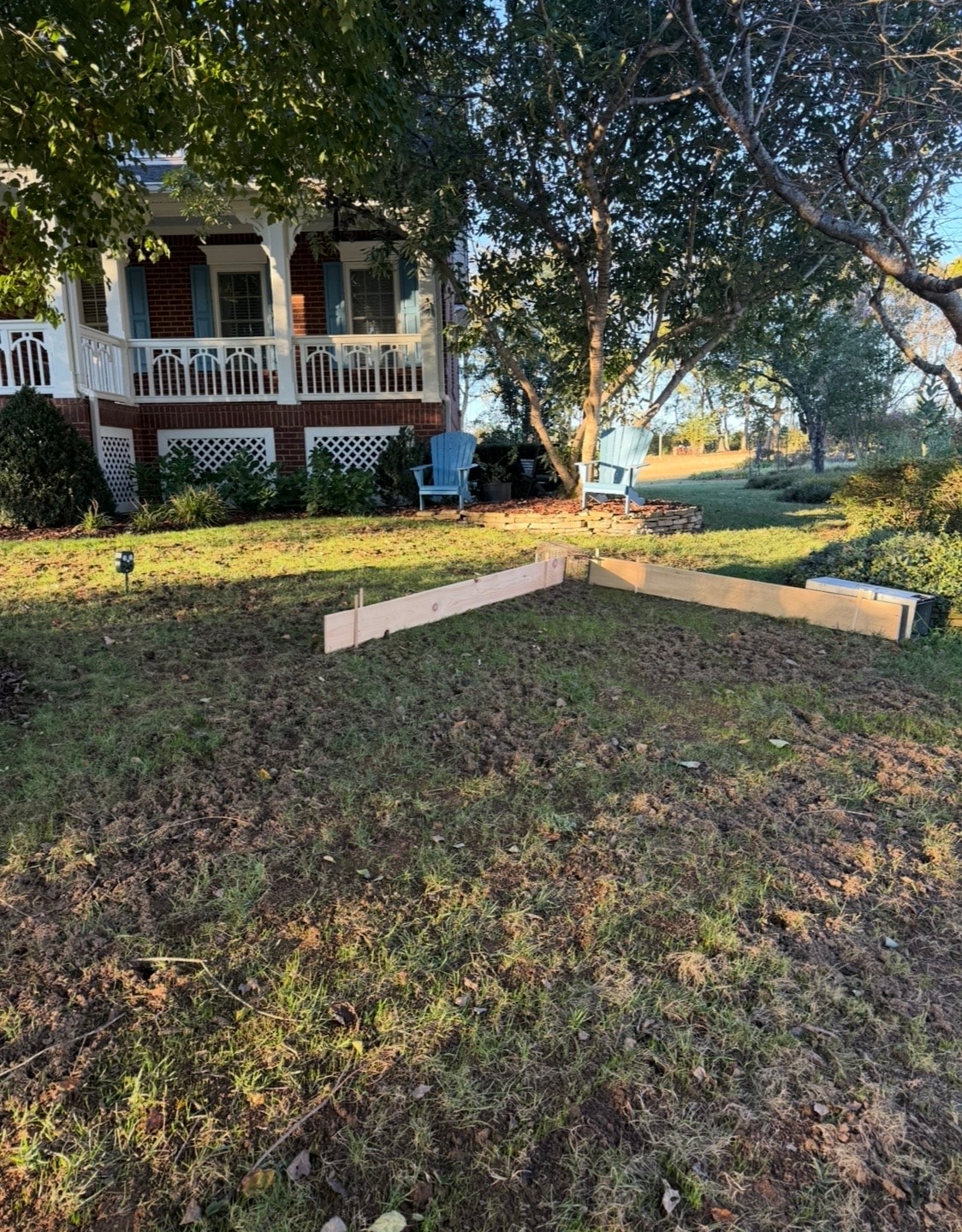
Widespread Yard Destruction
One armadillo. One night. An entire front lawn stripped to bare soil. This is what widespread armadillo damage looks like — and it happens faster than most homeowners expect.
A single armadillo can root up an entire front lawn between dusk and dawn, leaving nothing but bare soil.
Burrows extend deep under lawns, garden beds, and foundations — collapsing from the inside out.
Armadillos follow grub populations across your entire yard, methodically stripping every inch of turf.
Widespread destruction often requires full sod replacement, soil grading, and irrigation repair.
What You're Looking At
This Entire Front Lawn Was Destroyed Overnight
The photo above is a real job from a Middle Tennessee homeowner who woke up to find their entire front yard stripped bare. What had been a healthy, established lawn the evening before was reduced to exposed soil and scattered turf by morning.
This level of destruction is caused by a single armadillo following a grub population across the lawn. Armadillos don't sample — they systematically root every square foot of turf in search of insects, earthworms, and larvae living just below the surface.
The wooden framing visible in the photo was the homeowner's attempt to protect a new garden bed. Armadillos ignored it entirely and worked around the perimeter, demonstrating that physical barriers without professional trapping provide no lasting protection.
The Full Picture
Types of Widespread Damage
Full Lawn Stripping
ExtremeArmadillos root systematically across the entire lawn surface, flipping turf and exposing bare soil across hundreds — sometimes thousands — of square feet in a single night.
Garden Bed Excavation
SevereRaised beds and planted borders are completely upended. Root systems are severed, bulbs are unearthed, and mulch is scattered as armadillos dig for grubs beneath the surface.
Irrigation Line Damage
SevereDeep rooting punctures and displaces buried irrigation lines, creating leaks that go undetected until water bills spike or dry patches appear across the lawn.
Slope and Grade Erosion
HighOn sloped yards, widespread rooting destabilizes the soil structure. Rain events after armadillo activity cause accelerated erosion and washout of topsoil.
Tree Root Exposure
HighArmadillos dig aggressively around tree bases, exposing and severing shallow feeder roots. Mature trees can show stress or decline months after the initial damage.
Sod and Seed Loss
ExtremeNewly laid sod and overseeded areas are especially vulnerable. Armadillos target the loose soil and fresh seed, destroying expensive lawn restoration work overnight.
Don't Wait
Widespread Damage Compounds Every Night
Once an armadillo establishes a feeding pattern in your yard, it returns every night until the food source is exhausted — or until it's removed. Each night adds more damage, and the armadillo often expands its range to adjacent areas.
Homeowners who wait to see if the armadillo moves on typically see their entire lawn destroyed before taking action. By that point, the repair costs dwarf the cost of professional removal.
We offer same-day response across Middle Tennessee. The sooner we set traps, the less lawn you lose.
Stop the Damage Tonight
Same-day service available across Middle Tennessee. Licensed, insured, and guaranteed.