
Professional Trapping Services
Armadillo
Trapping
Heavy-duty traps, funnel sets, nose cone burrow traps, hole filling, mulch barriers, and full yard exclusion. We don't just catch them — we make sure they don't come back.
Why Trapping Method Matters
Most homeowners who try to trap armadillos themselves fail — not because armadillos are trap-shy, but because the wrong trap type in the wrong location catches nothing. Armadillos don't respond to bait the way most animals do. Placement, trap design, and reading the animal's behavior are everything.
We use multiple trap configurations matched to the specific situation on your property — open yard travel paths, fence lines, active burrows, and garden perimeters each call for a different approach. After capture, we don't just remove the animal: we fill the holes, treat the burrows, and install barriers so your yard stays protected.
Our Trapping Methods
Six proven techniques — matched to your property's specific armadillo problem
Heavy-Duty Live Traps
Commercial-grade steel cage traps sized specifically for armadillos. Positioned along active travel corridors and burrow entrances for maximum catch rates. Checked daily.
Our traps are far heavier and more durable than hardware-store models. Armadillos are strong diggers — lightweight traps get displaced or damaged. We use professional-grade equipment that stays put.
Funnel Trap Sets
Wing-guided funnel configurations that channel armadillos naturally into the trap. Ideal for open yard areas and along fence lines where armadillos travel predictable paths.
Funnel sets use the armadillo's natural tendency to follow edges and barriers. We extend guide wings from the trap entrance to create a funnel that dramatically increases catch rates without bait.
Nose Cone Burrow Traps
Specialized cone-entry traps set directly at active burrow openings. The most effective method for armadillos that have established dens under structures, foundations, or in yard banks.
When an armadillo has a burrow, it will return to it. Nose cone traps exploit this behavior by blocking the exit with a one-way entry. The animal walks in and cannot back out — a near-100% catch rate on active burrows.
Hole Filling & Burrow Remediation
After removal, all burrows and dig holes are filled, tamped, and graded. Prevents new armadillos from moving into vacated dens and eliminates trip hazards in your yard.
An empty burrow is an open invitation. We fill every tunnel with compacted soil, not just surface patching. For burrows under structures, we use a combination of fill and wire mesh to prevent re-entry.
Mulch & Landscape Barriers
Strategic mulch depth and material selection that discourages armadillo digging. Certain mulch types and depths make foraging difficult and encourage armadillos to move on.
Armadillos forage for grubs and insects in loose, moist soil. Deep pine straw or hardwood mulch beds are prime targets. We advise on mulch types, depths, and placement that reduce your yard's attractiveness as a foraging site.
Yard & Perimeter Barriers
Physical exclusion barriers installed along property edges, garden beds, and foundation perimeters. Buried hardware cloth and above-ground fencing that stops armadillos from entering protected zones.
Armadillos can't climb but they can dig under shallow barriers. Our exclusion installations go 12–18 inches below grade with an outward-angled foot that defeats digging attempts. Effective for gardens, flower beds, and foundation zones.
Real Trap Setups
Every trap placement is customized to the property. Here's what professional armadillo trapping looks like on a real Nashville job.
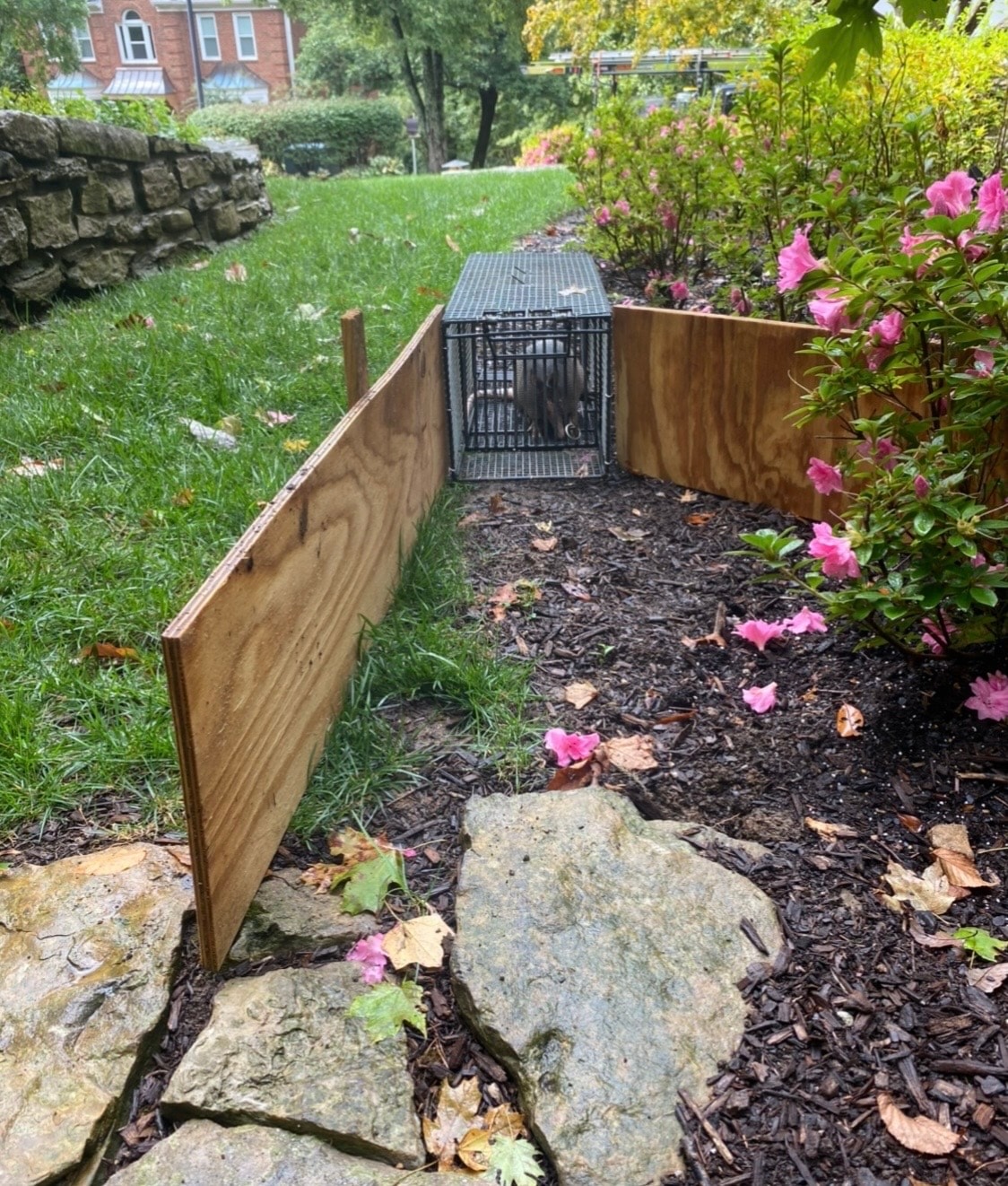
Garden Bed Setup
Funnel guides channel armadillos into the trap along a garden border — the most effective placement near flower beds and landscaping.
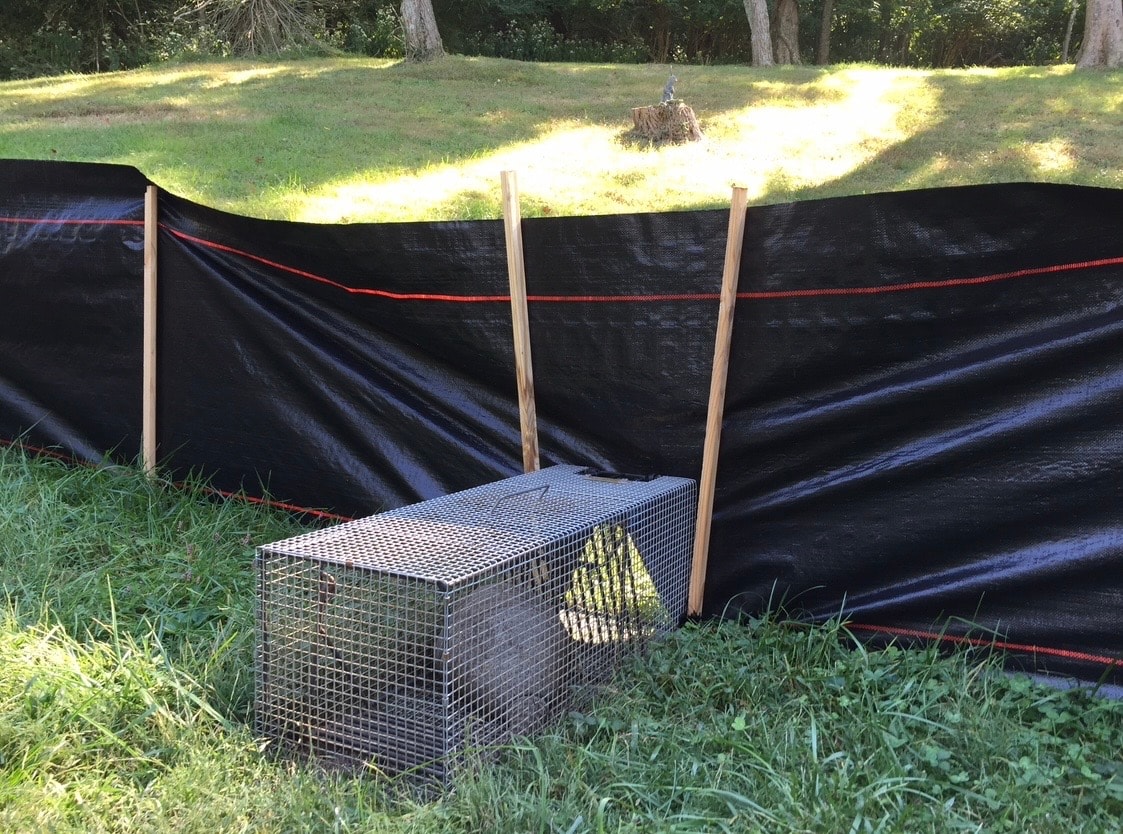
Yard Perimeter Setup
Exclusion netting paired with a wire cage trap along a travel corridor — ideal for open yards where armadillos follow fence lines and property edges.
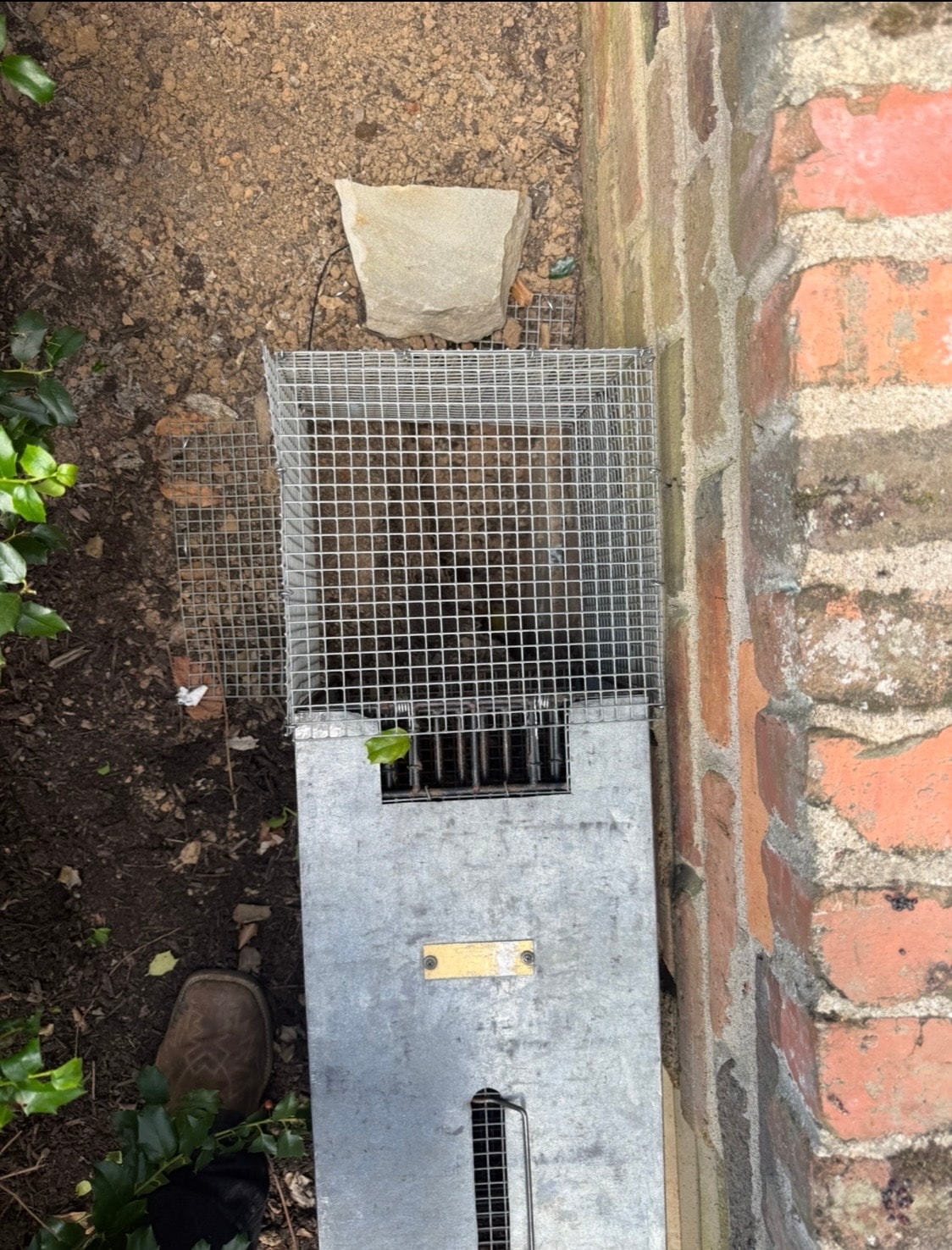
Burrow Trap at Foundation
Nose cone trap set directly at an active burrow entrance against a brick foundation — near-100% catch rate when the animal returns to its den.
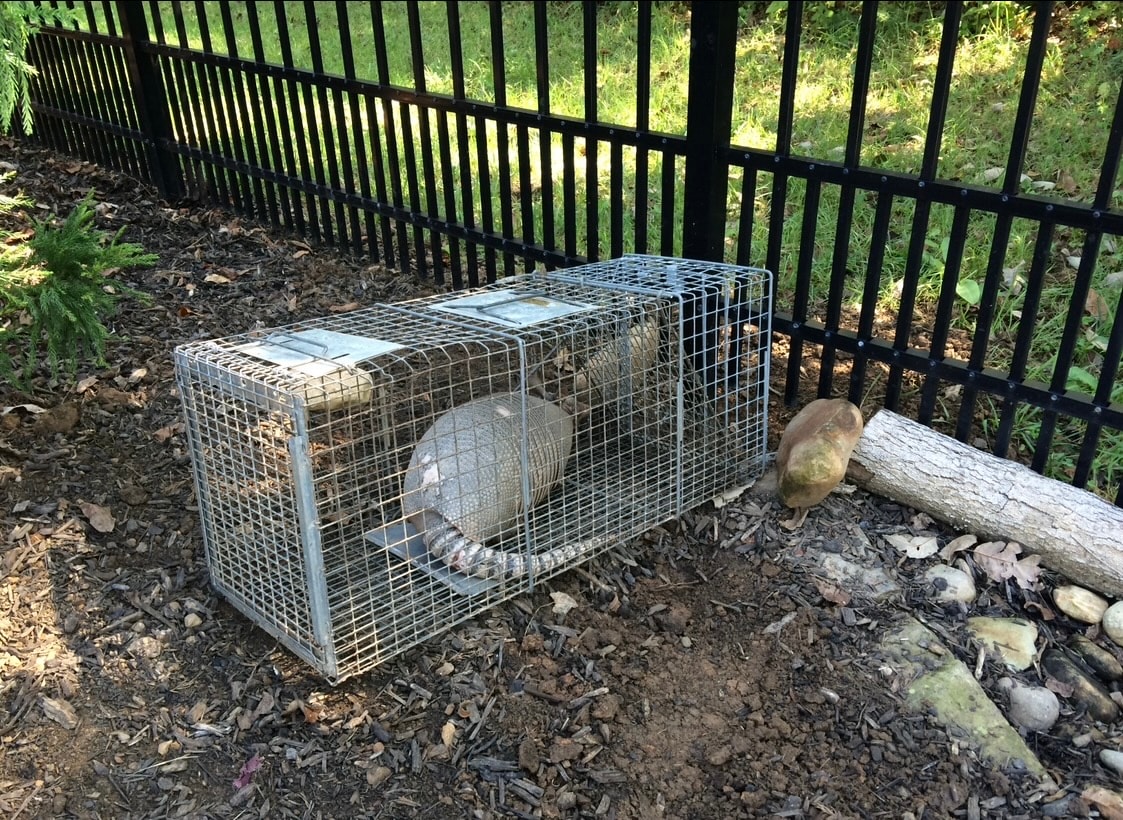
Fence Line Trap — Active Catch
Trap positioned at the exact point an armadillo was digging under a fence — caught on the return visit. Reading the dig pattern is everything.
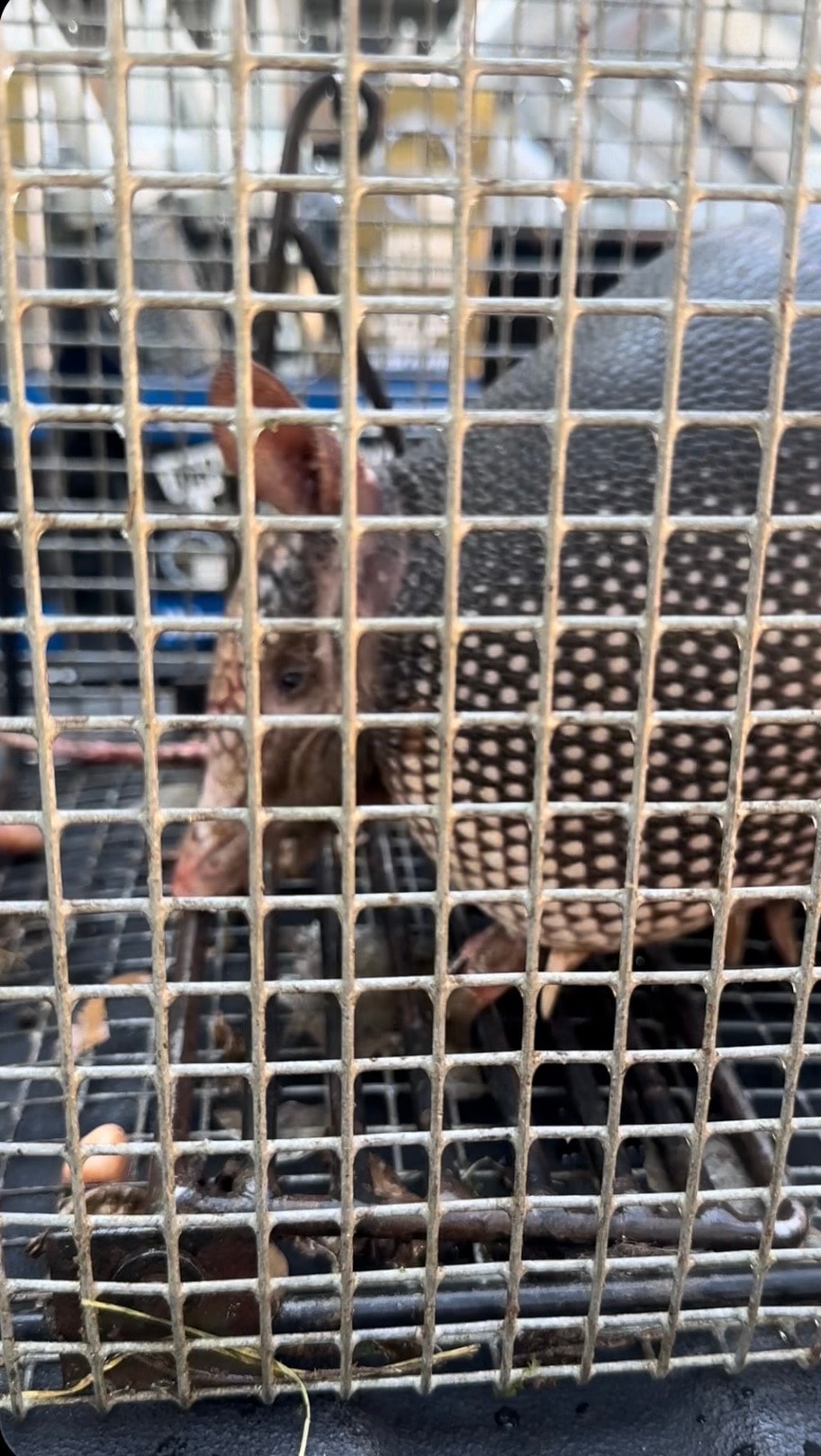
Multiple Traps Deployed
On properties with heavy activity, we deploy multiple traps simultaneously across travel corridors and burrow sites — monitored daily until the property is clear.
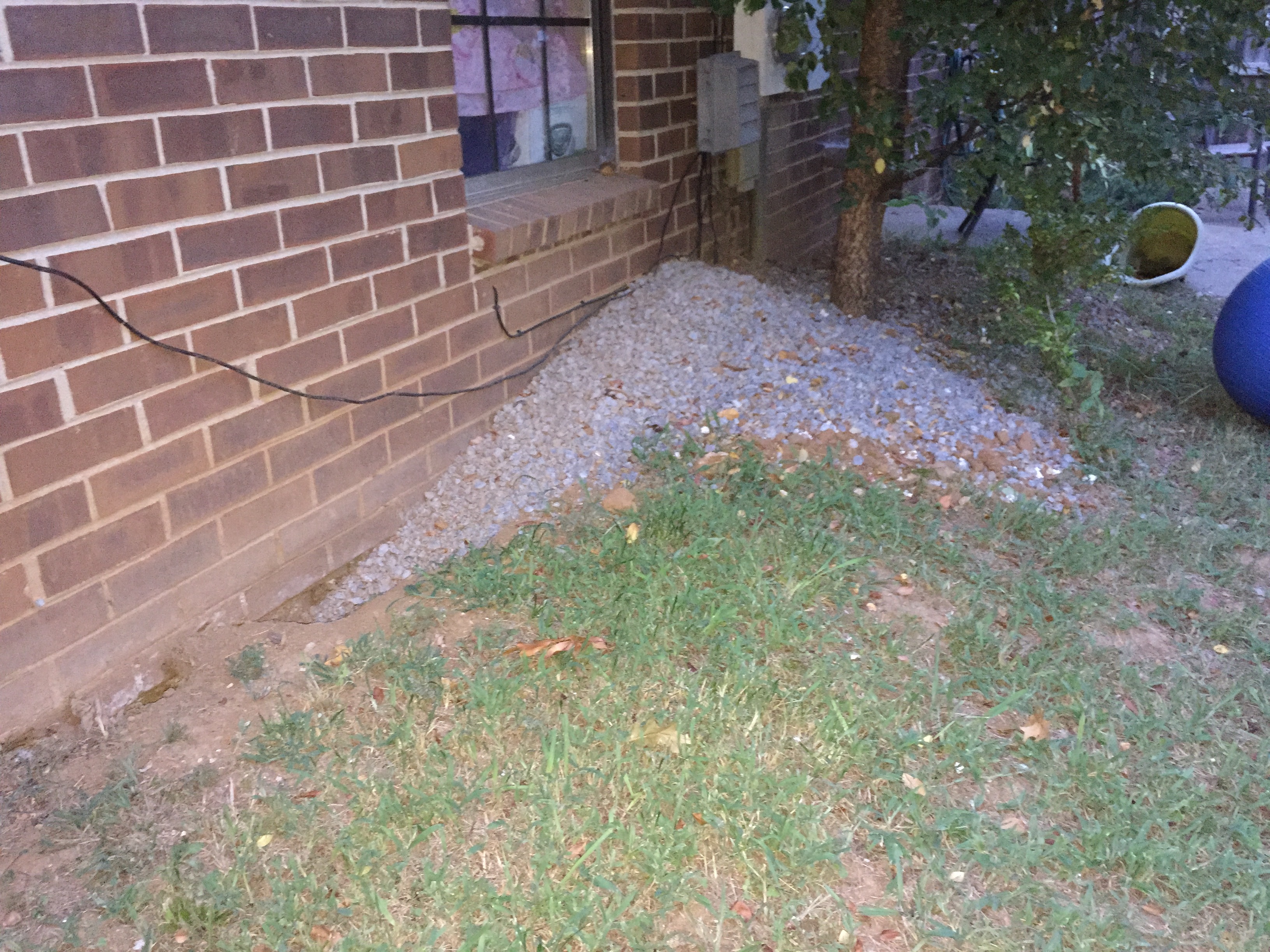
Daily Monitoring
Every trap is checked daily. We adjust placement based on fresh activity signs — tracks, new digging, disturbed soil — until the job is done.
Removal by Problem Location
Where an armadillo is active determines how we trap it. Each location calls for a different setup — here's how we handle the most common problem spots.
In Mulch Beds
The Problem
Mulch beds are prime armadillo feeding grounds. Loose, moist organic material is easy to dig through and packed with grubs and earthworms — exactly what armadillos are hunting.
Our Solution
We trap along the perimeter of active mulch beds using funnel sets and guide wings. After removal, we advise on mulch depth, material type, and optional wire mesh underlayment to make beds far less attractive.
In the Yard
The Problem
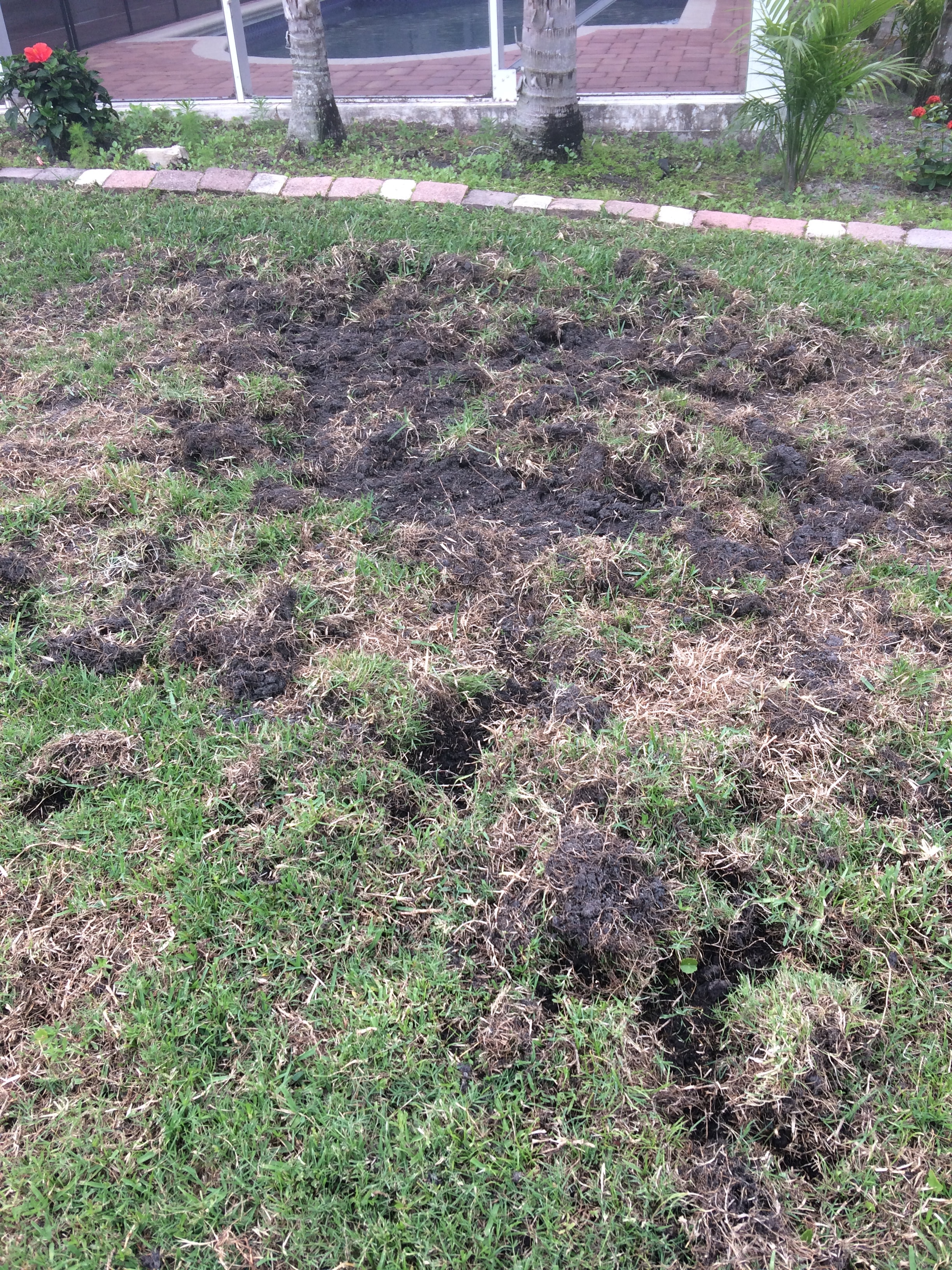
Open lawn damage — scattered holes 3–5 inches deep across the grass — is the most common armadillo complaint. They follow grub populations and can cover a large yard in a single night.
Our Solution
We read the dig pattern to identify travel corridors and set heavy-duty cage traps or funnel sets along the routes. Grub treatment recommendations are included to reduce the food source driving the activity.
By the Foundation
The Problem
Foundation burrows are the most serious armadillo problem. A single burrow system can extend 15 feet and undermine footings, crack slabs, and create voids that compromise structural integrity.
Our Solution
Nose cone traps set directly at the burrow entrance are the most effective method. After capture, we fill and compact the tunnel, then install buried hardware cloth barriers along the foundation line to prevent re-entry.
By the AC Unit
The Problem
The warm, sheltered space around HVAC condenser units is a common armadillo denning spot. Digging near refrigerant lines and electrical conduit creates real risk of equipment damage.
Our Solution
We set traps in the confined space around the unit and install a buried exclusion barrier around the pad perimeter after removal — keeping the area accessible for service while blocking armadillo re-entry.
Under the Deck
The Problem
The dark, sheltered void under a deck is ideal armadillo habitat. Once established, a deck burrow is used repeatedly and can house multiple animals. Digging undermines deck footings and post bases.
Our Solution
We use nose cone traps at active burrow openings and standard cage traps along deck edges. After removal, we install a buried L-footer exclusion barrier around the full deck perimeter to permanently seal the void.
Under the Shed
The Problem
Shed foundations and skids create perfect armadillo cover. Burrows under sheds can be extensive, and the confined space makes DIY trapping nearly impossible without the right equipment.
Our Solution
We access burrow entrances around the shed perimeter, deploy nose cone traps, and after capture install a continuous buried exclusion barrier. Concrete block or gravel skirt options are available for permanent protection.
How It Works
How It Works
Same-Day Site Assessment
We inspect your property, identify active burrows and travel corridors, and determine the right trap configuration for your specific situation.
Professional Trap Placement
Traps are set at the highest-probability catch locations — burrow entrances, travel paths, fence lines, and garden perimeters — using the method best suited to each spot.
Daily Monitoring
We check traps daily and adjust placement based on activity. Most properties see a catch within 2–5 days. We monitor for up to 14 days.
Humane Removal & Relocation
Captured armadillos are removed humanely and relocated per TWRA guidelines. We never use lethal methods unless legally required and client-approved.
Burrow Filling & Site Cleanup
All holes and burrows are filled, tamped, and graded. We leave your yard cleaner than we found it.
Prevention Recommendations
We walk you through what attracted armadillos to your property and what changes — grub treatment, mulch type, barrier installation — will keep them from returning.
TWRA Licensed & Insured
Every technician is licensed by the Tennessee Wildlife Resources Agency and fully insured. You're protected from the moment we arrive.
15+ Years in Middle Tennessee
We've removed armadillos from over 2,400 Nashville-area properties. We know local armadillo behavior, soil conditions, and seasonal patterns.
Satisfaction Guarantee
If armadillos return within 30 days of our service, we come back at no charge. We stand behind every removal.
Transparent pricing
Armadillo Trapping & Removal
Flat rate — no hidden fees
$695
Our $695 flat-rate service covers everything: professional trap placement, daily monitoring, humane removal, and relocation. No surprise charges, no per-animal fees.
Call to ScheduleWhat's included
- Professional trap placement at active entry points
- Daily monitoring for up to 14 days
- Humane capture and relocation
- Post-removal site inspection
- TWRA-licensed technician
- Satisfaction guarantee
Price covers standard residential trapping. Multi-acre properties or severe infestations may require a custom quote.
Ready to Get Rid of Your Armadillo Problem?
Same-day service available throughout Nashville and Middle Tennessee. Call now for a free phone consultation.
(615) 555-0100